
A personalized Spanish language curriculum approaches the student as a partner in curriculum creation, not an empty vessel to be filled with a pre-fabricated one. That’s Spanish a la carta!
For many students, this means organizing a compact vocabulary that helps them quickly achieve their comunicative goals in Spanish. After all, if what you do is coach new mothers who are breastfeeding, why study a chapter in a textbook about seasonal sports? Or if you’re a medical resident, why learn vocabulary to describe going shopping? Better to focus on feelings, anatomy, and discussions of pain. (Ouch.)
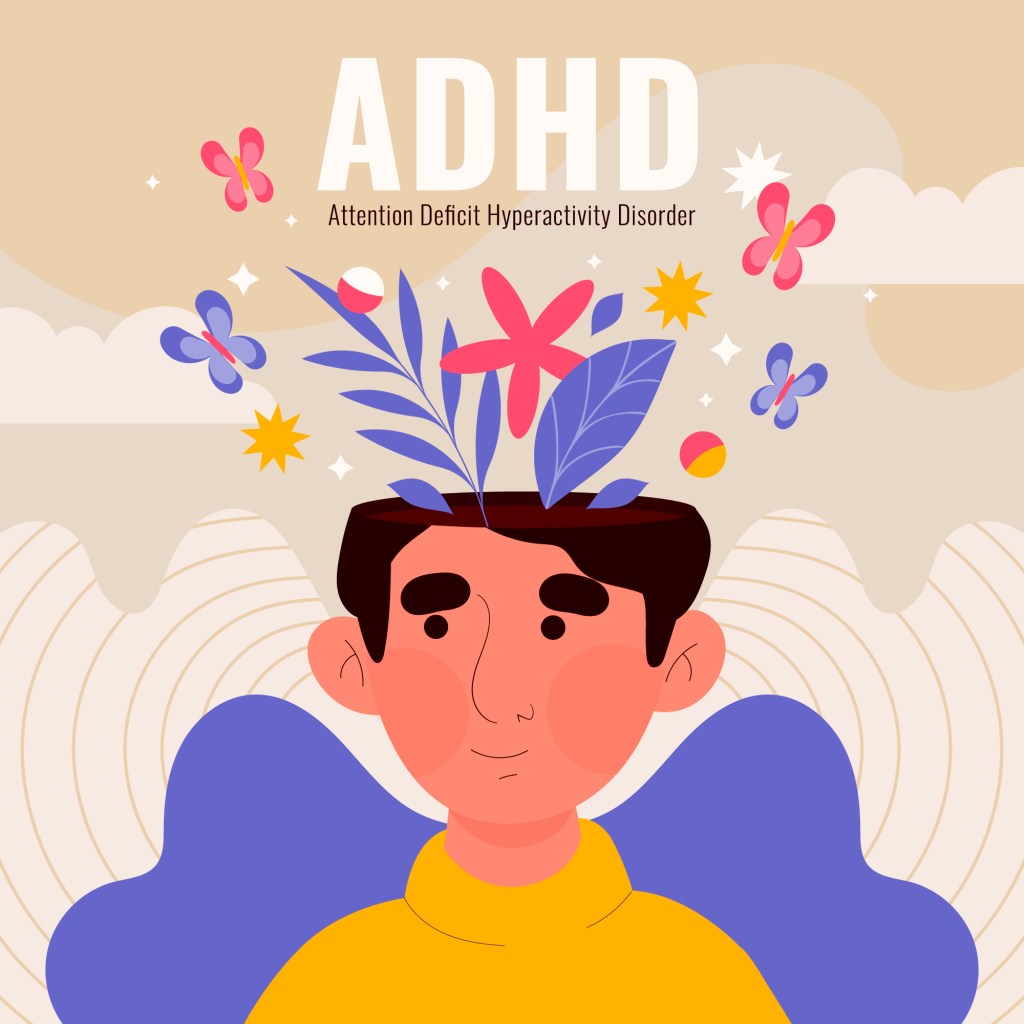
But personalized dictionaries are not the only dish on the Spanish a la carta menu: Adapting to learning styles and differences is also on offer. And as any teacher knows, teaching the student with ADHD (Attention Deficit Hyperactivity Disorder) can be a challenge! But it’s far from impossible. One such student taught me to be a more creative teacher.
Jane (as I will call here here) is a brilliant, successful, funny woman. It was hard for her to remain on task in class.The intensive aspect of the individual session was very good for her, but I found our sessions hard going.
She hurried through sentences and didn’t take the time to think before speaking, she was repeating mistakes over and over.
She didn’t take correction well, sometimes appearing not to hear me at all.
Certain learning materials that had worked well for other students, like digital flashcards, PowerPoint presentation, and in-class exercises, were boring for her.
I needed solutions. Here are some that worked:
If I gave Jane a song to learn, she was excited, so I amassed a large collection of songs to teach grammar and vocabulary.
Instead of focusing on one communicative goal during a class, I began to focus on two or three different but related goals, never staying on one topic for more than twenty minutes at most.
I learned to be really sensitive to perceiving the moment when Jane was no longer able to focus and learned to switch gears quickly.
We talked openly about her ADHD, and I gave her space to tell me how it felt to be her.
I created a safe environment where Jane felt accepted and invited to tell me what worked for her and what didn’t. That way, we avoided the educational trauma and feelings of failure she’s suffered her whole life.
Ultimately, all these techniques I explored with Jane have become integral to my sessions with other students. I am grateful for the challenges Jane offered me! She made me a better teacher.
Do you want to know more about ADHD? Here’s a good article at The American Psychiatric Association.

